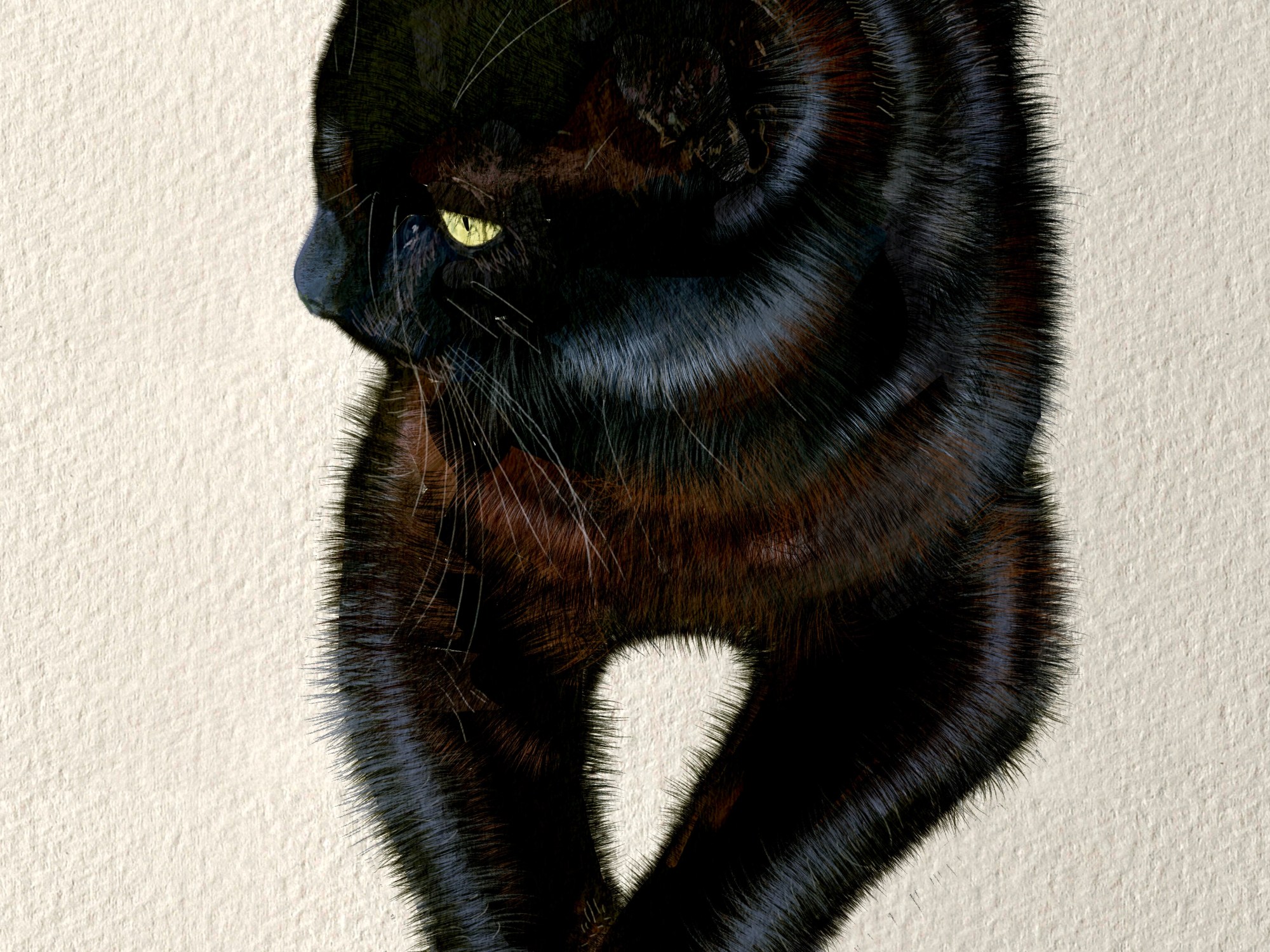
Perspectives from a Traditional and Digital Artist
For as long as humans have made art, we’ve debated what art is. In recent years, the discussion has turned sharply towards digital art and whether it’s as valid as traditional mediums. As an amateur artist who works with both, I see digital tools not as a threat to traditional art but as a means of opening the door to creativity for people who might otherwise feel it’s closed to them.
A Question of Access
Let’s talk about the reality of creating traditional art. The cost of materials can be staggeringly high. Quality paper, brushes, and professional grade paints are all items we’re often told are essential to make proper art. These materials and tools, by virtue of their cost, simply aren’t accessible to everyone though. Neither is the space to work in peace. Not everyone has a studio in which to set up an easel or canvas, let alone storage space for paints, brushes, papers, drying and finished pieces. Whenever I embark on a painting project it’s either my front room that becomes unusable by anyone else or, it’s the dining room table that’s out of bounds for hours or days. And I’m lucky to have these two options.
Digital art, by contrast, requires just one investment: a tablet, a stylus, and generally an app. With Procreate, Krita, Illustrator, or even Canva, budding artists can access tools that mimic everything from oil paints to calligraphy pens, all without buying a single tube of paint or pen. These apps make it possible to create high-quality work (yes even vector art with CMYK or RGB formats at 300DPI) without the financial burden of investing in or replacing materials. For someone on a tight budget or just starting out, this can be the difference between creating and giving up on a dream entirely.
Modern Life – The Gift of Flexibility
The demands of modern life often leave little room for long, uninterrupted hours of painting or drawing. Between work, family, and the endless to-do lists, many simply don’t have the luxury of setting up an easel and immersing themselves in their practice for hours.
Digital art fits seamlessly into busy lives. Anyone can sketch while sitting in an armchair, add colour to a piece on the bus, or refine details during an endless wait at the doctor’s surgery (if they’re lucky enough to get an appointment, that is). A tablet is portable and doesn’t require cleaning brushes or waiting for paint to dry. For those juggling art with everything else life throws at us, this convenience is a game changer.
The Democratisation of Creativity
Apps like Procreate have not just levelled the playing field, they’ve democratised making art. They offer sophisticated tools at a fraction of the price of traditional materials and make it possible for anyone with access to a tablet to create, experiment, and share their work. Procreate even exists for iPhone. Canva, though not aimed at fine art, has given countless people the confidence to create designs they never thought they could. And Adobe’s Creative Cloud means you can even use apps like Fresco and Illustrator on an iPad. Of course, Adobe subscriptions aren’t within everyone’s budget.
What these tools represent is a shift in the way we think about art. They strip away some of the barriers I’ve mentioned above like cost, space and time, that have all historically limited who could participate. In doing so, they allow more people into the creative space. And isn’t that the point of art? To include, to share, and to express?
The Myth of Cheating
One of the harshest criticisms levelled at digital art is that it’s cheating. There’s a perception that digital tools make the process too easy. They talk about features like undo buttons, tracing options, or brush presets as somehow undermining the value of the work.
But let’s be honest. Even the best traditional artists might use techniques to speed up their process. Tracing or projecting an image to quickly map out a composition isn’t uncommon, it’s efficient. Similarly, digital artists might use layers or digital tracing as a starting point, but these tools don’t replace the creativity or skill in composition, colour, perspective. They’re simply modern techniques to achieve the same end – bringing an idea or vision to life albeit in pixels.
Art has never been about the tools alone. It’s about the artist’s ability to imagine and create something meaningful, from the heart, regardless of methods used.
Why Digital Art is Just as Valid
At its core, art is an expression of the human experience. The medium used shoudn’t define the message. So whether it’s made with a paintbrush, a tablet, or a piece of charcoal, art is art. What matters is the thought and effort behind the work.
Digital art doesn’t diminish traditional art. Instead, it expands the boundaries of what’s possible. It makes being an artist (amateur or professional) accessible to those who might otherwise feel excluded due to finances, space, or time. It’s a tool of inclusion, not exclusion, and that’s something worth celebrating.
A Final Thought
It’s no surprise that art is evolving to reflect the advancements around us. To dismiss digital art as ‘lesser than’ is to cling to outdated ideas of what creativity should look like. Art, at its best, is about connecting the artist with their work and between the work and its audience. So let’s stop arguing about which tools are ‘better’ and instead celebrate the fact that creativity is more accessible than ever. In the end, art is art, and there’s room for all of it.
 Rebecca Art
2 thoughts on “The Digital Art Debate”