Using Art as a Soothing Path to Mindfulness and Resilience in Uncertain Times
With the recent news of Trump’s presidential election win, I know I am not alone in feeling a certain amount of trepidation about what this means for the world. Many of us are anxious and feeling the weight of our emotions.
For me, creating art has always been a way to try to process these feelings, a form of escape too as I strive for some peace. Art can be a true lifeline and anyone can do it.
You don’t need to be ‘an artist’, and there’s no need for special skills or complex tools. This type of art or creativity, if you prefer, is all about the process, not the result.
If you’re looking for a gentle way to ground yourself, meditative art may be the perfect place to begin.
What is Meditative Art?
Meditative art is about creating a calming experience rather than a finished product. It’s about immersing yourself in simple shapes, lines, and colours that allow you to focus, relax, and reconnect.
The repetitive motion of drawing or colouring in can help you reach your ‘flow state’ —a place where you are completely focused on the process at hand. This flow state helps you unwind, giving you a reprieve from the constant chatter in your mind. In these small acts of creating, we find time to breathe.
Supplies for Meditative Art
One of the best things about meditative art is its simplicity. You’ll find everything you need around your home, in a top draw or maybe at the bottom of a bag.
- Paper – Any sketchpad or even loose sheets will do the trick.
- Pencils or Pens – Felt tips, gel pens, or just a regular pencil.
- Optional – Coloured pencils or watercolours.
There’s no need to invest in fancy supplies, because meditative art focuses on the present rather than getting lost in the details.
Set the Scene for Calm
Creating a soothing environment can make this practice even more beneficial. Find a quiet place where you won’t be disturbed, ideally with soft, natural light. Make yourself a warm drink, settle into a comfortable chair, and play some gentle music in the background. I sometimes get YouTube up on the TV screen and choose music for relaxation. There are also great free music streaming sites like Spotify with readymade playlists. All these small touches will help you to slow down.
Simple Ideas to Soothe Anxiety
If you’re not sure where to begin, start with very simple and calming things to draw.
- Blobs and Shapes – Circles, ovals, squares, or even abstract blobs.
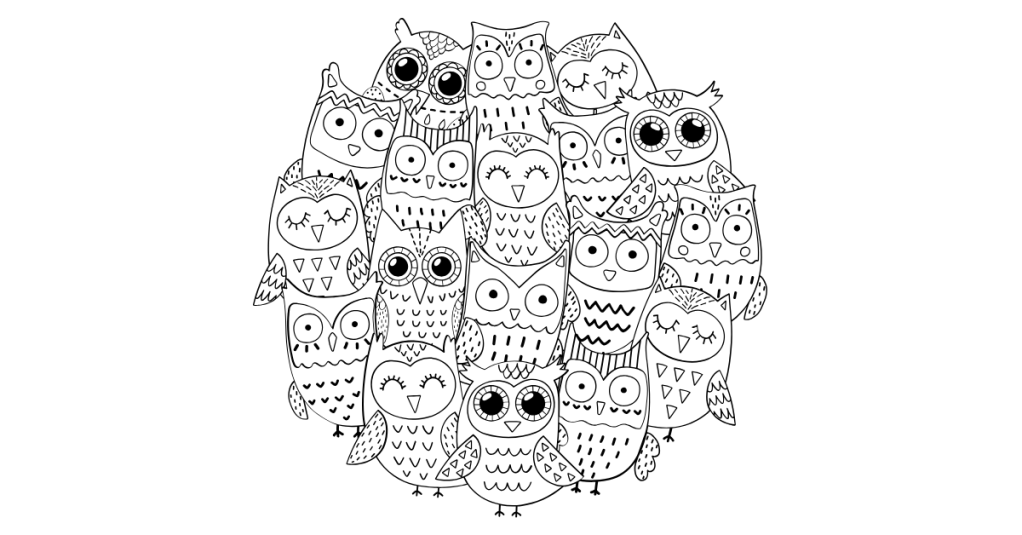
- Repetitive Patterns – Doodles like mandalas, waves, or repeating patterns are ideal. The link above takes you to lots of free mandalas you can download for free.
- Lines and Spirals – Loose spirals or repeating lines can be really soothing to draw.
- Colouring – Blocking out areas of colour can also have a meditative effect.
Benefits of Art for Relaxation
Meditative art has real, research-backed benefits. Studies from the American Art Therapy Association highlight how repetitive motions, like drawing patterns or colouring can help reduce our anxiety levels.
Colours can have an effect on our emotions. Research by Dr. Karen M. Walker found that warm colours, like yellows and oranges can uplift our mood, while cool shades like blues and greens can help reduce anxiety. So when you’re setting up, try to have these colours to hand. Choosing colours that reflect your mood or shift it can enhance the relaxation effects.
Any form of expressive art can help release tension. A study by Dr. Girija Kaimal at Drexel University found that this type of art lowers cortisol levels so don’t be afraid to let go and just draw or paint for some welcome relief.
Let’s not forget breathing. Deep breaths paired with drawing strokes will help activate your body’s natural relaxation response. Try breathing in through your nose with each brushstroke or line, holding for a moment, and then releasing through your mouth for the next stroke or line
Journalling is also a wonderful way to help you reflect on your emotions. Research from Dr. James W. Pennebaker suggests that documenting emotions visually offers similar benefits to expressive writing.
Finally, studies, including one by the World Health Organisation, show that daily creativity can improve mental health over time. Even 10–15 minutes of drawing a day can be a steadying habit in a changing world.
What to do next
Try a Free Workshop
If you’d like to try meditative art, Mindful Creative Muse offers a free workshop called Art as Meditation Workshop for Self-Care. It’s a replay, so you can dip in and out but I’d recommend watching and drawing for at least 30 minutes.
Visit their website, scroll down to Online Courses, and sign up. They also provide a Mindful Art for Self-Care Workbook as a free download filled with exercises and guidance. Scroll down to the bottom of their page for the download.
A Paid Course I Loved
A few years back, I took a course via the Domestika platform called Illustrated Life Journal: A Daily Mindful Practice by freelance illustrator Kate Sutton. Kate uses illustrated journaling to unwind and capture her daily life through simple drawings. The course taught me how to document daily life and emotions with quick, easy prompts and I found it a really gentle way to stay grounded and appreciate the little things around me. The course really helped me to notice and appreciate the beauty in each day.
What to buy
Art notebook
To keep all my exercises together, I bought a small A5 watercolour notebook and used pencils, some watercolours and felt-tipped pens. I have to admit that I then bought some watercolour pencils online for my later exercises.
Watercolour Pencils
The beauty of watercolour pencils, particularly for beginners, is that they offer the control of a pencil while allowing for beautiful watercolour effects. They are also easy to carry if you’re on the move. I’ve loved being able to go back through that notebook, seeing moments of calm and inspiration and also my progress!
Gift yourself some grounding
With meditative art, you’re giving yourself the gift of time, space, and calm. Even just a few minutes each day can help you feel more grounded in our unpredictable world.
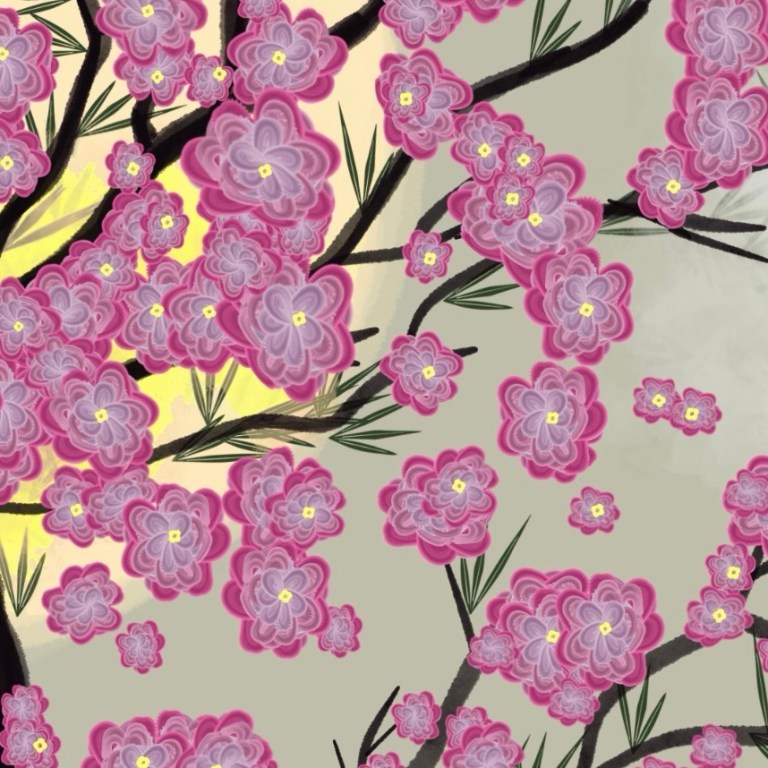
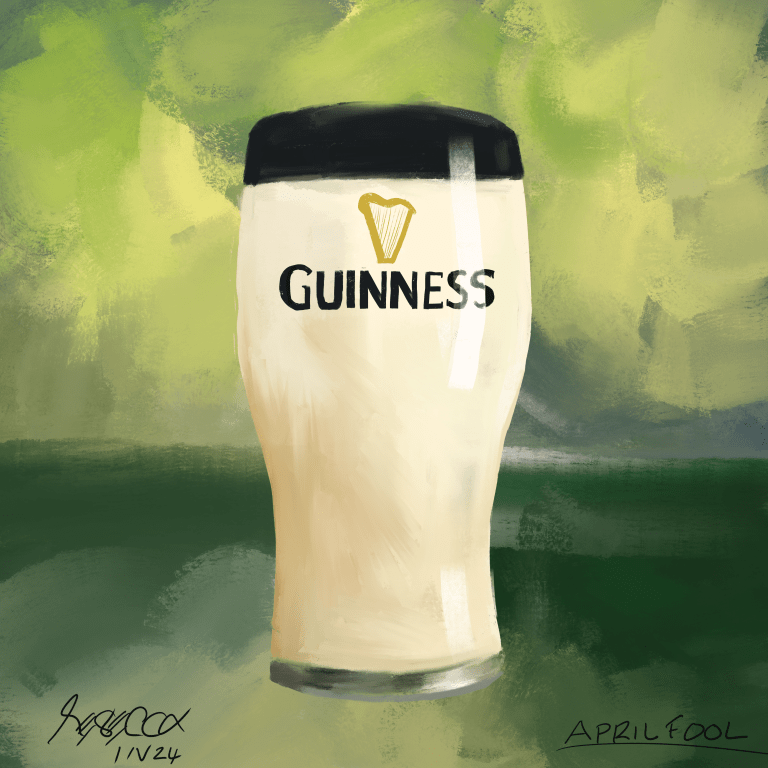
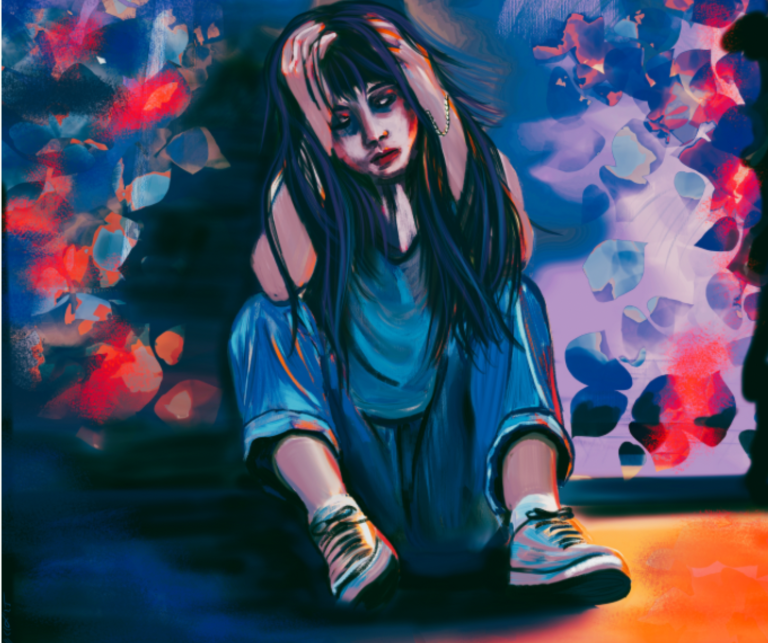
 Rebecca Art