The Ever-Evolving Notion of Relaxation
Relaxation is a word we often throw around, saying things like, ‘I just need to relax’ or ‘Take some time to unwind,’ but what does it really mean? At its core, relaxation involves releasing tension—whether physical, mental, or emotional. It’s the process of softening our internal tightness and allowing the body and mind to return to a state of calm. But where did this concept of relaxation originate, and how has it shifted throughout history?
The Roots of Relaxation
The word ‘relaxation’ comes from the Latin relaxare, meaning ‘to loosen’ or ‘reduce intensity.’ However, its modern interpretation as an intentional activity didn’t take shape until the 17th century. In medieval Europe, relaxation wasn’t about personal downtime like we think of today. It was all about community, faith, and those special moments of festivity that broke up the hard work of daily life. Taking time just for yourself? That could be seen as lazy, even sinful—an idea pushed hard by the Church. Sure, people rested, but it was purposeful: you gathered to worship, you celebrated together. It wasn’t about shutting the world out.
Things started to change as Europe moved into the Industrial Revolution. Factory life brought gruelling, non-stop work, and suddenly, society had to confront the need for rest. It wasn’t just a luxury anymore; it became a basic human requirement. By the time the 20th century rolled around, the weekend was introduced—a complete game-changer. Now, leisure was formalised, giving people dedicated time to relax. What had once been purely communal began to include personal space too, as the focus shifted towards both body and mind. It was a cultural turning point, where rest moved from a shared experience to something more individual, reflecting the new pace of life.
Today, relaxation has taken on a new life. It is actively encouraged as part of a balanced lifestyle, with wellness movements promoting practices like yoga, mindfulness, and meditation to help reduce stress. The digital age has also brought a wealth of tools—such as apps and devices that support our attempts to unwind and switch off.
How We Relax Today
These days, relaxing is such a personal thing. Everyone’s got their own way of unwinding. For some, it’s yoga or meditation; for others, it’s zoning out while watching a TV show or getting lost in a good book. And then there’s technology. Some say that tech, and particularly our apps, have made it easy to relax whenever we want. Now whether scrolling through social media, playing video games, or tuning into a favourite podcast is real relaxation, I’m not entirely convinced that this equates to switching off.
The tricky part in our tech-enabled world is that the line between work and rest has become blurred. With remote working and constant notifications, it can feel impossible sometimes to fully disconnect. I set focus modes on my phone where I’m not disturbed by notifications or calls, but there are always a few that get through. We’re getting better at recognising when we need a break, though, thanks to self-care and mindfulness becoming a fairly normal part of our day-to-day. Unlike the old days, when rest was all about gathering together, now it’s more about finding those little moments of peace for yourself in a world that just never seems to slow down.
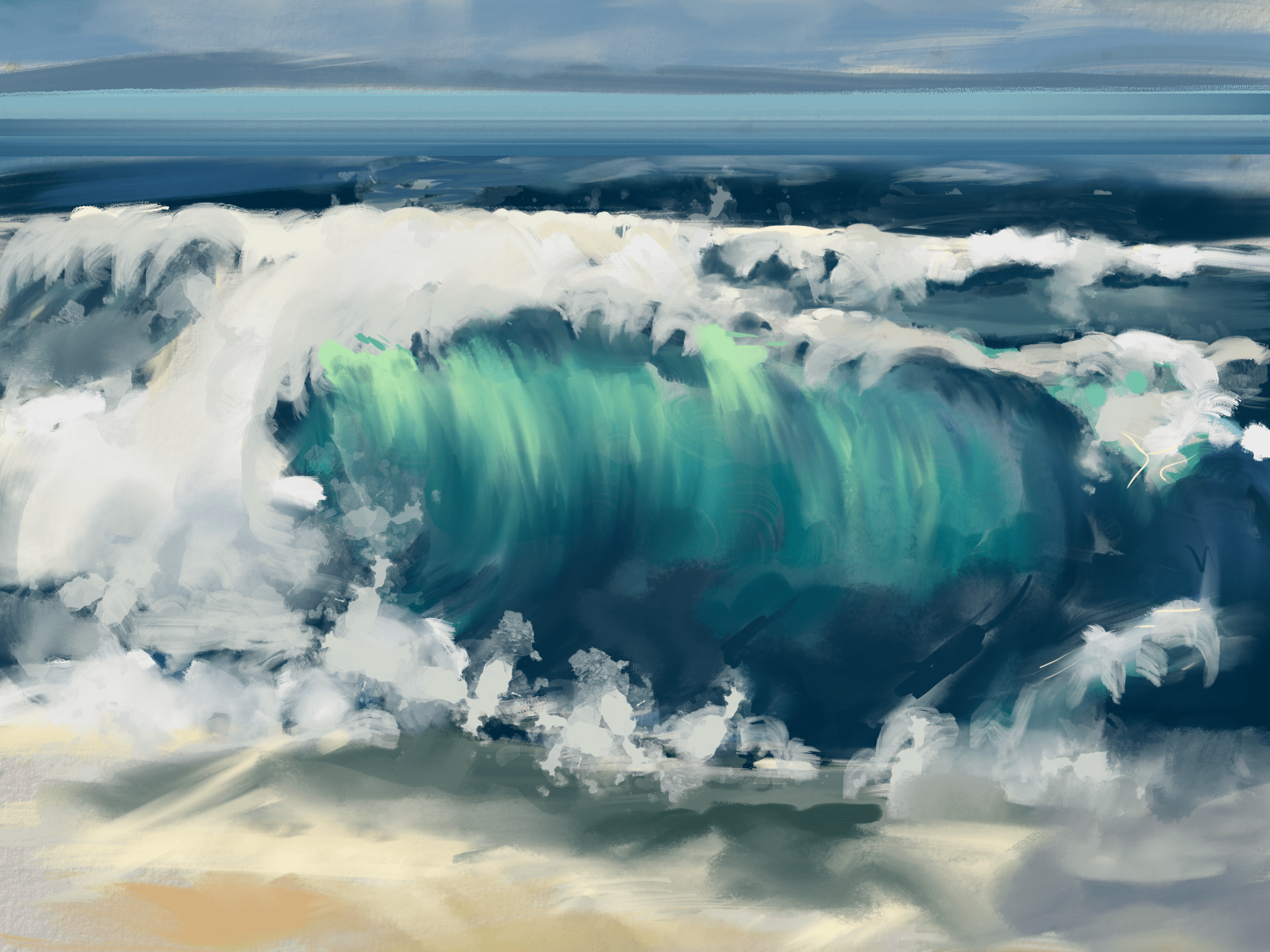
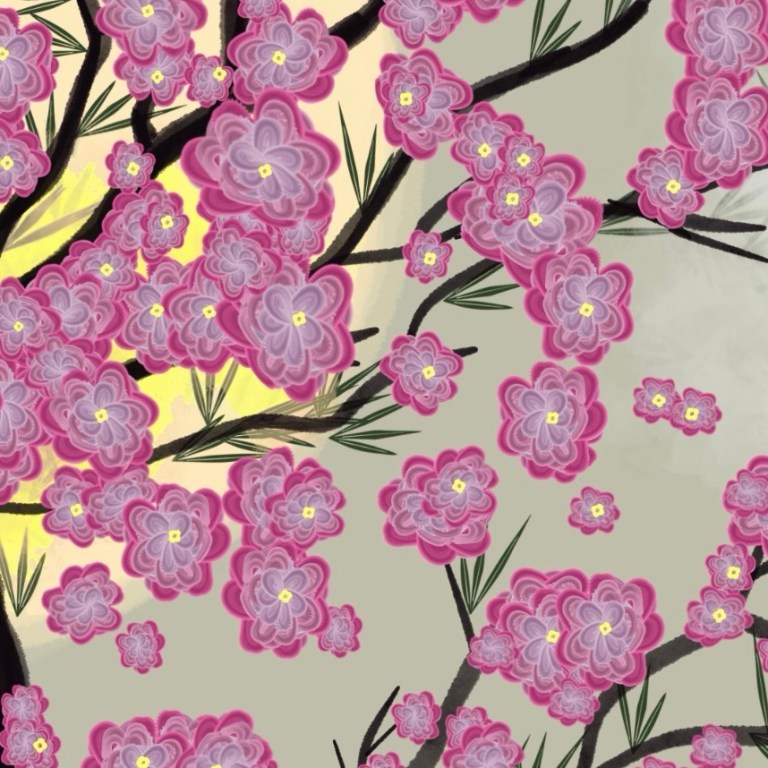
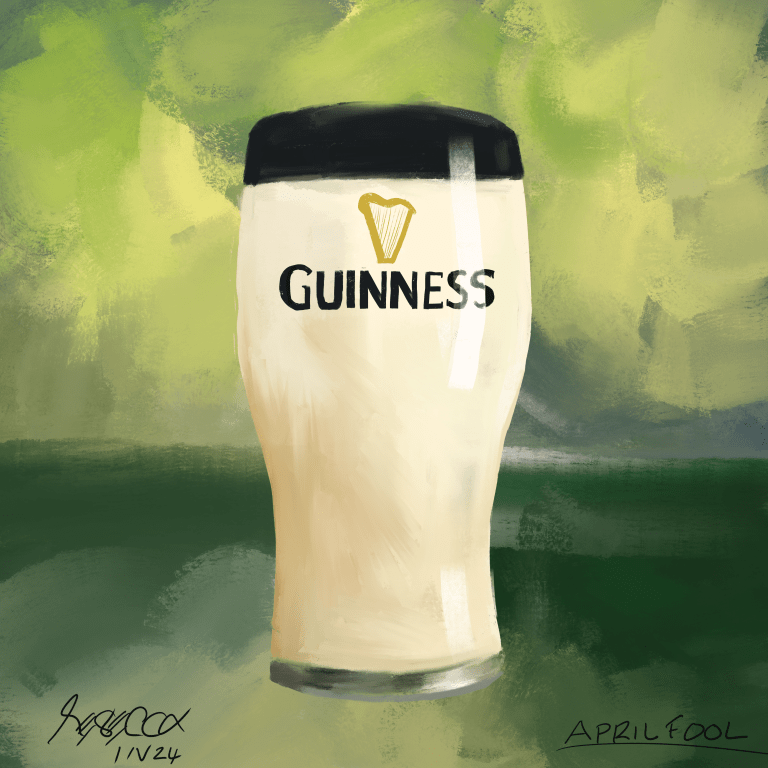
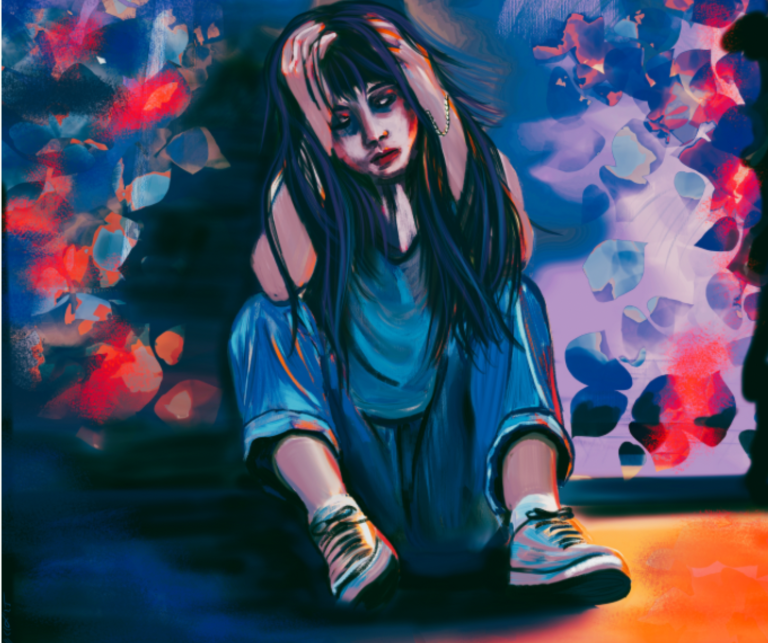
Painting offers me a unique form of relaxation. It allows me to focus my mind and disconnect from what’s happening around me. When I’m painting, I quickly enter a state of flow. Time becomes irrelevant. I might look up and realise hours have passed. This especially happens when I turn to my iPad and the Procreate app. The whole set up is just so easy. In less than five seconds, I’ve got a blank digital canvas in front of me with an almost endless supply of brushes and every conceivable colour at my fingertips. Armed with just two tools—my iPad and Apple Pencil—I can get into a creative flow almost instantly. I can dive into the process anywhere, without any hurdles.
Why Painting Works as Relaxation
So, why does painting have such a calming effect? On one level, it’s the repetitive, rhythmic motion of applying paint to a surface. Whether it’s digital or physical, this repetitive action can be so meditative. Any stress I’m feeling just melts away. On another level, painting taps into creativity and for me at least it can be an emotional release. Sometimes, the thoughts we struggle to verbalise are more easily expressed through colour and form.
Art therapy has long recognised the benefits of creative expression for reducing stress and improving mental health. Studies show that creative activities like painting can lower cortisol levels, helping to reduce feelings of anxiety. Since COVID I’ve been fortunate enough to benefit from regular group sessions with Renata Chubb.
Neurographia
Have you heard about Neurographic art? It’s a fascinating practice where art meets psychology. It was developed by Russian psychologist Pavel Piskarev, author of “Neurographica®” and is all about expressing emotions through free-flowing lines and organic shapes. In my own words, you start by drawing a series of unplanned, interconnected lines while thinking about something specific, then round off the sharp corners to create soft, flowing forms. It’s said to reflect the way our neural pathways work, encouraging a kind of meditative calm. As you work through the shapes, it has a way of bringing hidden emotions to the surface. For me, it’s more about the journey you take as you create than the finished piece. There are some pretty amazing pieces out there.
A Modern Necessity
The constant demands of modern life make it all the more important to take time for ourselves, whether that’s through traditional relaxation techniques or more creative outlets like painting (or scrolling). While our ancestors might have viewed relaxation with suspicion (the devil makes work for idle hands, and all that) today relaxation is recognised as an essential part of maintaining balance.
So next time you’re reminded to ‘relax,’ don’t see it as frivolous, but as an important part of your well-being. Whether it’s through painting or simply breathing deeply, relaxation is a practice that’s been evolving as we have, always urging us to slow down and reconnect with ourselves.
Do you have a go-to relaxation method? Have you ever tried painting as a way to unwind? Let me know in the comments!
 Rebecca Art